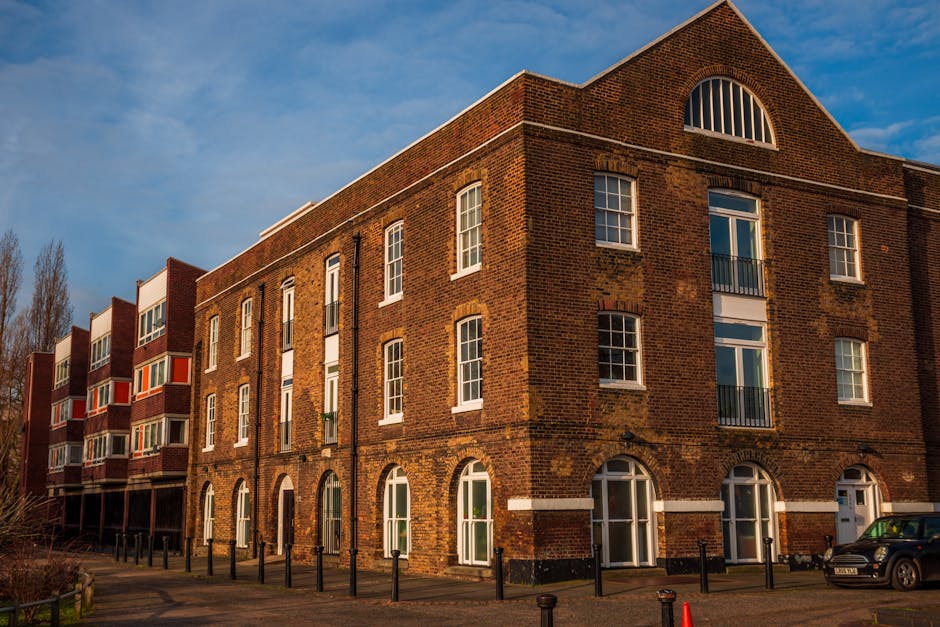
Removals for Putney Embankment flats insider tips
If you are planning a move from a Putney Embankment flat, you already know the obvious bit: it is never just "a van and a few boxes". Riverfront blocks, tighter access, lift timing, parking pressure, and the usual London-style surprises can turn a simple flat move into a bit of a puzzle. That is exactly why Removals for Putney Embankment flats insider tips matter. The right approach saves time, reduces stress, and helps you avoid the sort of small delays that somehow become a whole afternoon.
In this guide, you will find practical advice that actually helps on moving day: how to plan around access, what to pack first, when to choose a flat removals service, how to handle awkward furniture, and where people usually get caught out. Nothing fluffy. Just the useful stuff, written for real flats, real schedules, and real people trying to keep the kettle close by.
Why Removals for Putney Embankment flats insider tips Matters
Putney Embankment has a few moving-day realities that are easy to underestimate. Flats near the river can be lovely to live in, but they often come with shared entrances, lift access windows, underground or tightly controlled parking, and neighbours who may not thank you for a rogue sofa scrape at 8 a.m. The building itself can be the main challenge, not the distance to your new home.
That is the heart of the issue. A well-run flat move is less about brute force and more about sequencing. If boxes are ready, parking is sorted, and the crew knows which items are going first, the whole job feels calmer. If not, you get the familiar spiral: people waiting downstairs, one bag still in the kitchen, and someone saying, "I thought the lift was booked?"
To be fair, most moving problems are boring problems. Parking permits. Narrow corridors. Loading bay time limits. Forgotten keys. Missing screws for the bed frame. None of these sound dramatic, but together they can derail a perfectly good plan. Insider tips help you catch those details early, while they are still easy to fix.
There is also a cost angle. Even when you are not moving far, wasted labour time can raise the overall bill. Careful preparation can reduce the number of trips, keep the removal van in the right place, and make better use of the booked slot. In simple terms: less faff, fewer surprises.
How Removals for Putney Embankment flats insider tips Works
A good flat removal usually follows a clear pattern, even if the day itself feels a little messy. First comes the survey or initial assessment, then the packing plan, then building access and parking arrangements, and finally the actual loading and transport. For Putney Embankment flats, the access part matters more than most people expect.
Many people begin by deciding whether they need a full removals team or a lighter option such as a man and van style service. That choice depends on volume, stair access, furniture size, and how much help you want with lifting. A smaller move with a few boxes and one or two heavy items can be straightforward. A full flat with wardrobes, a sofa, artwork, kitchenware and a bike? Different story.
In practical terms, the process works best when each stage feeds the next:
- Assess the flat - note stairs, lift size, tight corners, and how far the van can park from the entrance.
- Sort the load - decide what is moving, what is being stored, and what should be recycled or removed.
- Prepare packing materials - boxes, tape, covers, labels, and a few stronger cartons for books and kitchen items.
- Book the right vehicle - a smaller van can be more practical than a big truck in constrained residential streets.
- Protect the building and furniture - blankets, wraps, and careful corner handling go a long way.
- Load in order - bulky items first, essentials last, and fragile items where they will not be crushed.
If you are moving out of a top-floor flat, the team may also need to plan rest points and team positioning. A hallway in a modern block may look spacious until a mattress arrives. Then suddenly, not so much.
Key Benefits and Practical Advantages
The best reason to use insider tips is simple: they make the move feel manageable. But there are some more specific advantages too.
- Less wasted time - access issues are anticipated, not discovered mid-move.
- Lower risk of damage - when fragile items, lift edges, and awkward furniture are planned properly.
- Better cost control - fewer delays usually mean a more efficient booking.
- Less stress on the day - you are not improvising while standing among half-sealed boxes.
- Cleaner handover - easier to leave the flat tidy and ready for inventory, cleaning, or final inspection.
There is a quieter benefit too. Good planning gives you breathing room. On moving day, that matters. You have enough to think about without hunting for keys, chargers, or the one box that mysteriously contains the cutlery you need for tea that evening.
If you are comparing providers, a reliable removal services option can help you keep the whole process under one roof, especially if you want packing help, loading support, and transport aligned from the start.
Who This Is For and When It Makes Sense
This topic is for anyone moving out of, or into, a Putney Embankment flat where access is not exactly generous. That includes professional renters, couples upsizing or downsizing, first-time buyers, and landlords arranging a turnaround between tenancies. It also matters if your building has rules about move times, lift protection, or temporary parking arrangements.
It makes particular sense if you are:
- moving from a flat with limited street access;
- trying to avoid disturbing neighbours early in the morning;
- carrying furniture through shared hallways or communal lifts;
- working to a tight handover window;
- moving with children, pets, or a demanding work schedule;
- handling a last-minute change and need a quicker, more flexible setup.
If the move is very small, a simple van-based arrangement may be enough. If you have a full household's worth of furniture, storage needs, or a few difficult items such as mirrors, tall bookcases or a piano, the smarter move is usually to treat it as a proper flat removal, not a casual lift-and-shift.
There is no prize for underestimating it. Really, there isn't.
Step-by-Step Guidance
Here is the practical sequence that tends to work best for Putney Embankment flat moves.
-
Confirm the building access rules
Check whether there are move-in or move-out hours, lift booking rules, or protection requirements for floors and walls. Some buildings are relaxed; others are absolutely not. The earlier you ask, the better.
-
Measure the awkward items
Measure your sofa, mattress, wardrobe, and anything tall or bulky. Also measure doorways and lift openings. A sofa that "should fit" is a classic moving myth. If it needs a diagonal tilt, you want to know that before the van arrives.
-
Decide what really needs to move
Flat moves are a great moment to be ruthless. Old chairs, duplicate storage units, battered shelving, and boxes of "maybe useful someday" often cost more to move than to replace. If you need help clearing items, furniture removals can be useful when you want heavy pieces handled carefully.
-
Pack by room and by urgency
Label boxes with room, contents, and whether they are essential on day one. Keep toiletries, chargers, tea, snacks, basic tools, and a change of clothes separate. Trust me, future-you will care.
-
Book the right help level
For smaller or quicker moves, a man with van arrangement may be sufficient. For larger flats or more involved loading, a fuller crew can be the safer, faster choice.
-
Set aside a clear load path
Move shoes, bins, loose rugs, and doorstops out of the way. Communal hallways need to stay clear. The less clutter in the route, the fewer snags when carrying long or heavy items.
-
Prepare the handover box
This is the small box that saves the day: keys, documents, phone charger, medications, spare batteries, contact numbers, and anything else you do not want buried under towels and saucepans.
One small but important point: if you think you need storage between properties, deal with it early. A short gap can be completely fine if you arrange it in advance, and storage can remove a lot of pressure when completion dates do not line up neatly.
Expert Tips for Better Results
Here are the details that often separate a smooth move from a mildly chaotic one.
- Book your slot with the building and the removal team at the same time. If either one changes, the whole plan should be updated immediately.
- Use colour labels for rooms. It is quicker than reading tiny handwriting while holding a box at arm's length.
- Take photos of cable setups. TV units, routers, and bedside lamps are always more annoying to reconnect than you remember.
- Keep screws and fittings taped to the furniture they belong to. Do not put them in a random drawer. That is how flat-pack regret begins.
- Protect floor corners and doors. Even careful movers can catch a paint edge when turning a mattress or wardrobe.
- Leave a little buffer in your schedule. London traffic and narrow access are not always dramatic, but they are rarely helpful.
There is a small art to moving day timing. Early enough to avoid a rush, but not so early that no one has had a coffee. That sweet spot changes by household, admittedly.
If you have several heavy items, or you are moving into a block with a decent amount of stair work, it is worth using a properly equipped removals provider rather than trying to patch it together yourself with borrowed hands and optimism.
Common Mistakes to Avoid
Most moving problems are preventable. The trick is spotting them before they turn up in the hallway.
- Not checking lift dimensions. A lift can be technically available and still be too small for larger furniture.
- Leaving packing to the final evening. That almost always leads to a messy, overstuffed box situation.
- Assuming parking will sort itself out. It rarely does. It just becomes someone else's headache.
- Forgetting building protection rules. Some blocks expect floor coverings, lift padding, or booking confirmation.
- Mixing essentials with general contents. You do not want your toothbrush in a box marked "books".
- Choosing the wrong vehicle size. Too small means extra trips; too big can be awkward around tight streets or restricted access.
Another easy mistake is underestimating the time it takes to disassemble and reassemble furniture. Beds, dining tables and wardrobes can eat time quickly, especially if the right tools are not ready. A tiny Allen key can hold up an entire room. Ridiculous, but there it is.
Tools, Resources and Recommendations
You do not need a van full of gadgets, but a few practical items make flat removals much easier.
- Strong boxes for books, kitchenware, and smaller household items.
- Packing tape and dispensers because hand-tearing tape is a recipe for frustration.
- Furniture blankets and wraps for sofas, tables, mirrors and polished wood.
- Marker pens and labels for quick room identification.
- Zip bags for screws, plugs, and the little parts that vanish the moment you look away.
- Dolly or trolley assistance where appropriate, especially for heavier items on harder surfaces.
For people who want the packing phase handled more efficiently, packing and boxes support can be a practical way to reduce stress. If unpacking is the part you dread most, packing and unpacking services can be even more helpful. To be fair, that is often where people feel the most overwhelmed, not during the lifting itself.
If you are moving delicate or oddly shaped items, think about whether specialised handling is needed. For example, a piano should not be treated like a standard chest of drawers. It needs the right equipment and the right approach, full stop.
Law, Compliance, Standards and Best Practice
For a flat move, the main compliance issues are usually practical rather than complicated. You want the move to fit the rules of the building, the safety expectations of the team, and any local parking or access arrangements that apply. Most of this is about common sense, but common sense is easier when it is written down and checked before moving day.
Good practice in the removals industry generally includes:
- safe lifting and carrying methods;
- appropriate equipment for heavy or awkward items;
- clear communication about access, timing and restrictions;
- careful protection of property and communal areas;
- insurance arrangements that are explained clearly in advance.
It is also sensible to review a provider's insurance and safety information before you book. That does not mean expecting perfection from every move. It does mean understanding how your belongings are handled and what happens if something unexpected occurs. A professional mover should be able to explain that in plain English, without the waffle.
Security and payment clarity matter too. If you are booking online or paying a deposit, check the provider's payment and security approach so you know how transactions are handled. And if you are comparing estimates, the pricing and quotes page can help you understand what should be included, such as labour, vehicle size, access complexity, and any optional extras.
Best practice is not just about the move itself. It is also about communication, consent for access, neighbour consideration, and leaving communal areas tidy. That is especially important in apartment living, where one person's moving day becomes several residents' corridor for the morning.
Options, Methods, or Comparison Table
There is no single best way to move a Putney Embankment flat. The right choice depends on volume, access, time pressure, and how much lifting you want to avoid. Here is a simple comparison.
| Option | Best for | Pros | Watch-outs |
|---|---|---|---|
| Man with van | Small to medium flat moves, fewer items | Flexible, usually efficient for short routes, good for lighter loads | May be less suitable for large furniture sets or complex access |
| Full removals team | Larger flats, more furniture, tight schedules | More lifting support, better for coordinated loading, less strain on you | Needs more planning and a clear access window |
| Self-move with hire vehicle | Very organised movers with few belongings | Direct control, possible cost savings if everything goes smoothly | High physical effort, parking stress, higher chance of delays or damage |
| Combined move and storage | Completion gaps or delayed handovers | Reduces pressure, gives flexibility if dates do not line up | Needs extra planning and clear item tracking |
For many Putney flats, the middle option is the sweet spot: enough support to keep things moving, but not so much complexity that you are booking more than you need. If your flat is compact and the access is decent, a man with van arrangement can be sensible. If the load is heavier, a home moves style service may be a better fit even if you are technically only moving from a flat.
Case Study or Real-World Example
A typical Putney Embankment move might look like this. A couple in a two-bedroom flat had a completion time in the late morning, with the new place only a short drive away. On paper, easy. In reality, they had a narrow loading area, a lift booking window, and a large sofa that had to be turned carefully through a hallway with one awkward corner.
What helped most was not speed, strangely enough. It was preparation. They had already separated essentials, removed the bed frames, tagged each box by room, and checked the building rules the day before. The moving team knew where the bulky items were, which boxes were fragile, and which items were going into storage for a week. No last-minute rummaging. No "have you seen the charger?" chaos.
The result was a calmer load-out and a faster unload-in. The move was still a move, of course. There were a few heavy breaths, a bit of careful shuffling, and one small wobble with a bookshelf. But the day stayed manageable. That is the difference planning makes. Not perfection. Just calm enough to think clearly.
In a slightly more urgent situation, some people also need a rapid booking. If a lease ends suddenly or keys are delayed, a same day removals option can be a practical fallback, provided access and inventory are straightforward enough to make it work.
Practical Checklist
Use this as a last-minute sense check before moving day. It is simple on purpose.
- Confirm move date and time with everyone involved.
- Check lift availability, booking rules, and building access instructions.
- Arrange parking or loading permissions if needed.
- Measure the biggest furniture and confirm it fits common access points.
- Pack a separate essentials bag or box.
- Label rooms clearly.
- Protect fragile items with enough wrapping, not just a prayer.
- Set aside screws, cables, and small fittings in labelled bags.
- Clear corridors, floors, and entrance routes.
- Keep drinks, snacks, and keys easy to reach.
- Have a backup plan if access or timing changes.
- Review insurance, payment terms, and booking details before the day.
If your move involves items you do not want to take with you, such as old cabinets or a tired sofa, it can be worth arranging disposal or furniture pick up in advance rather than trying to solve it on the pavement after the van has gone. Nobody enjoys that part.
Get a free quote today and see how much you can save.
Conclusion
Putney Embankment flat moves tend to go best when people respect the details. Measure the awkward stuff. Book the right level of help. Keep essentials separate. Check the building rules. Simple advice, yes, but simple advice is often the advice that saves the day.
If you plan properly, the move feels less like a scramble and more like a sequence of small, solvable tasks. That is what these Removals for Putney Embankment flats insider tips are really about: making the whole thing feel doable, even when the lifts are small and the timetable is not.
And once the last box is in, there is usually that lovely quiet moment where the flat sounds different. Less echo, more life. A bit of breathing space again.
Frequently Asked Questions
What makes Putney Embankment flat removals different from a normal house move?
Flat removals often involve tighter access, shared hallways, lift bookings, and stricter building rules. Even when the property is smaller than a house, the logistics can be more complex.
How far in advance should I book a removal team for a flat move?
As early as you can, ideally once your moving date starts to feel firm. If your move depends on completion timing or tenancy handover, earlier booking gives you more flexibility.
Is a man and van service enough for a Putney Embankment flat?
Sometimes yes, especially for smaller flats or fewer items. If you have a lot of furniture, difficult access, or a tight deadline, a larger team may be more suitable.
What should I check in the building before moving day?
Ask about lift use, move time restrictions, parking or loading bays, floor protection requirements, and whether you need to notify the building manager. These small checks prevent a lot of awkwardness.
How can I reduce moving costs without cutting corners?
Pack well, declutter before the move, keep access clear, and make sure the removal team has accurate information about the load size. Efficiency usually comes from preparation, not rushing.
Should I dismantle furniture before the movers arrive?
If you can do it safely, yes. Beds, tables, and some wardrobes are easier to move when broken down in advance. If not, tell the movers so they can bring the right tools and allow enough time.
What if I have to move out before the new flat is ready?
That is where short-term storage can help. It gives you a buffer when dates do not line up neatly, which happens more often than people expect.
How do I protect furniture during a flat move?
Use blankets, wrap vulnerable edges, remove loose shelves where possible, and keep fragile surfaces separated from heavier items. Good loading discipline matters just as much as the packing materials.
Can removals be done quickly if my move becomes urgent?
Yes, in some cases. Same-day or short-notice moves can work if the load is manageable and access is straightforward. The more complex the flat, the more notice you will want.
What documents or details should I have ready on moving day?
Keep booking confirmations, keys, building access instructions, payment details, and important contact numbers close to hand. A small document folder can save a lot of stress.
What if I only need help moving one or two heavy items?
That is often a job for a lighter service such as man and van or a focused furniture move. It is worth being specific about the items so the right vehicle and lifting support can be arranged.
How do I know whether a removal company is trustworthy?
Look for clear pricing, sensible communication, insurance and safety information, and straightforward terms and conditions. If something feels vague, ask more questions. A reliable provider should not mind.
What is the best final tip for a smooth Putney Embankment flat move?
Do not leave access planning until the last minute. If parking, lift use, and timing are already sorted, everything else becomes much easier. That one step often changes the whole day.